If you’re feeling cramped in your current home, a well-designed home addition is an excellent investment. This type of project can boost resale value, and it also allows homeowners to customize their living space.
On the other hand, moving can be costly and stressful. It can also leave you in a neighborhood that may not suit your lifestyle. Contact J&R Construction for more details.
Cost of Moving
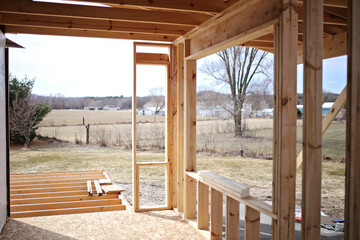
Even homeowners satisfied with their current living space may dream of more room, making home additions an appealing option. From budget-friendly attic or basement conversions to garage conversions and detached living units like DADUs, home additions are flexible options that meet homeowners’ needs while increasing property values.
National moving costs can provide a ballpark estimate, but the actual cost will depend on the size of your home and how much belongings you’re transporting. Local movers typically charge by the hour while full-service long-distance movers base their fees on shipment weight. In either case, the larger your house and the more belongings you have to move, the more expensive your move will be.
Other costs to consider when planning for a move include mortgage fees, title insurance, and real estate commissions. If you’re moving to a new community, you might also face homeowner association or condo fees that cover maintenance and services for common areas. And don’t forget the cost of a one-way rental truck, transportation for yourself and your family members, and extra fuel for your journey.
Cost of Addition
Home additions add square footage and value to a property. They also increase a homeowner’s home equity, which can be used to fund other projects or purchase another property. The cost of a home addition depends on the type and size of the addition, as well as local construction rates. It’s important to consult a licensed home addition contractor, like Liberty General Construction, to receive an accurate cost estimate.
A kitchen bump out or a sunroom are often the most cost-efficient options for adding space. These types of additions don’t require major structural changes, and they can be completed in a shorter time frame than a second-story addition.
An attic or basement conversion is a more expensive option, but it’s worth the investment for additional living space and a potential rental income. Turning an existing garage into a living space is another great way to maximize the use of unused area and add value to a house. In cities and towns where zoning allows it, a detached accessory dwelling unit (DADU) or tiny house can double living space without taking up valuable yard space.
The most significant factor affecting the cost of a home addition is its location. Building upwards costs more than building outward, and city or county permits add to the total cost. It’s also important to work with a design professional to ensure that the addition is cost-efficient and matches your vision. It’s also helpful to complete the project during a slow season when construction prices are less expensive.
In addition to being a more affordable option than buying a new home, a home addition can also provide tax benefits. Homeowners who spend more than 10% of their home’s value on a remodel or addition can deduct the costs from their taxes. Additionally, if you finance your home addition through a mortgage or line of credit, you can enjoy lower interest rates than if you paid cash for the project. Keep in mind that it’s always a good idea to compare current interest rates against historic averages before you choose an financing option for your project.
Cost of Remodeling
Home additions can significantly boost resale value, and when done well, can add a significant amount to your home’s total square footage. They also offer a number of personal benefits that can improve your quality of life. Whether you are looking to accommodate a growing family, create a dedicated workspace, or add luxury amenities, these projects can transform your living experience.
But before you embark on a major project, it’s important to understand what the costs associated with a home addition are. This will help you determine if this is an option worth pursuing.
Remodeling costs can vary widely, but a full home renovation generally runs between $15 and $150 per square foot. This can be even more expensive if you’re working with historic structures or if your house requires extensive work.
A home addition is a big project, but it can be well worth the investment. It allows you to tailor your space to fit your unique lifestyle and can make the property feel like a truly custom home. Moreover, it’s often more cost-effective than moving to a new location. It can be especially appealing if you’re locked into a low mortgage rate.
In general, kitchen renovations have the highest return on investment, recouping up to 80% of their cost at resale. Other high-ROI projects include bathroom renovations and upgrades that improve accessibility. For example, a first-floor master suite addition can make it easier to age in place.
Regardless of the type of addition you are considering, it’s essential to partner with experienced professionals. They’ll be able to guide you through the entire process, from design and planning to construction and completion. They’ll also be able to ensure the project is completed on time and within your budget.
The bottom line is that a well-designed and executed home addition can be a smart financial decision. But before you get started, be sure to speak with a financial planner about incorporating your home addition into your overall financial plan. By doing so, you can avoid overspending and make sure your new addition is an asset for years to come.
Cost of Repairs
Home additions can increase your property value and create a custom living space that aligns with your lifestyle. Adding a kitchen extension, family room or sunroom, for example, can help you meet specific needs while adding style to your home. However, there are some instances when it may make more sense to move rather than build a new home.
For example, some homes are not suitable for major renovations because of foundation damage or zoning issues. Also, moving is time-consuming and expensive. According to research from real estate site HomeLight, it can cost over $31,000 to sell and purchase a new home.
Building a home extension is often less expensive than buying a new house, but it’s important to carefully assess your situation and budget. A design-build contractor can weigh your options and help you choose a project that fits within your budget and provides the best return on investment.
A good design-build contractor will be familiar with local zoning regulations and can take a close look at your property to see what can and cannot be built on your lot. They will also understand the importance of integrating your addition into the existing structure, which is critical for creating a seamless transition between the old and new.
Depending on the scope of your home addition, you will need to invest in a variety of materials and labor. Some of the most significant costs include electrical, plumbing and excavation, as well as framing and drywall. In addition, you will need to pay for a permit and any necessary inspections.
While you may not get a perfect return on your investment, a smartly designed home addition can add to the comfort of your daily life and provide you with a beautiful place to spend your time. It’s a great option when you value your current neighborhood and want to stay in a community that matches your personality and lifestyle.
Plus, you can avoid the hassle of finding a new home and the time-consuming process of preparing for a sale. You can even use your new space as a staging area for selling your old home once the construction is complete!