The Septic Tank – The Heart of Your Onsite Wastewater Treatment System

The septic tank is the heart of your onsite wastewater system. Heavier solid matter sinks to the bottom of your septic tank and forms the sludge layer, while lighter fats, oils, and greases (FOG) float to the top and are broken down by anaerobic organisms.

Septic

Your septic tank is designed to hold your sewage and allow it to settle before flowing into the drain field. 

When you flush a toilet or use your washing machine, wastewater flows down your home’s plumbing lines to a septic tank. This underground, watertight container provides primary wastewater treatment with the help of natural bacteria that break down organic matter and solids. Septic tanks then pipe partially clarified effluent downstream for further purification or dispersal.

All drain pipes in your house connect to the inlet pipe that leads directly to your septic tank. From there, all wastewater flows into the tank. As it does so, fats and oils float to the top to form the scum layer while solid particles sink to the bottom to become the sludge. Bacteria do most of the work of separating these layers, leaving liquid effluent in between.

A septic tank has both an inlet baffle and an outlet baffle, which are essential for the proper functioning of your system. The inlet baffle guides the wastewater in a longer path across the tank so it does not disturb the floating scum layer. Without this baffle, the toilet tissue and other solids that enter the tank could pile up on the scum layer and cause a blockage that redirects sewage back into your home.

An outlet baffle, meanwhile, directs the flow of wastewater from the septic tank to the distribution system and then to your septic drain field. The baffle also helps to prevent sludge from flowing directly into the outlet pipe, which would cause drainfield clogs and premature system failure.

As the septic tank treats wastewater, it produces gases, including hydrogen sulfide. These gases must be released to avoid a build-up of pressure that could stop or reverse the flow of effluent. To prevent this, your septic tank is fitted with a vent. Typically, it has a mushroom shape and can be equipped with a charcoal filter to reduce odors.

A septic tank’s access ports enable you and a septic professional to easily clean out your system’s components. These ports should be large enough for a hose to reach. In addition, a septic professional will install risers to bring the tank up to ground level for cleaning and inspection.

Sludge & Scum Layers

More than one in five households in the United States rely on septic systems to treat wastewater from toilets, showers and drains. These independent, decentralized wastewater treatment structures use natural and technological processes to separate solids from wastewater and drive it through an absorption field. Septic tanks have three distinct layers—a scum layer on top, a sludge layer and clarified effluent layer in the middle—that must be kept in balance for proper function and longevity.

The septic tank must have relatively calm conditions to form the layers and ensure that settleable solids drop to the bottom and floatable solids rise to the surface. In some cases, turbulence causes the layers to mix together. This can occur when there is a high level of water flow into the septic system, large leaks into the tank or a pump that adds sewage into the system. The septic tank should be regularly inspected and pumped to prevent the sludge layer from building up too much, which can block inlet and outlet pipes and cause untreated wastewater to enter the absorption field and soil treatment system.

Regular septic tank pumping is essential for keeping the septic system in good working condition and avoiding costly repairs and replacement of your septic system components. Your septic tank should be pumped when the sludge layer reaches 25% of the tank’s capacity. This is generally every 3-5 years, depending on household usage.

When septic tanks are pumped, the scum layer is removed along with anything else that floats on top of sewage. This includes soap scum, fats, oils and other waste that is lighter than water. If these floatable wastes make their way through the inlet and outlet pipes into your septic system, they will be carried to your absorption field and clog the drain fields, which can lead to wastewater backups.

In addition to routine septic tank pumping, it’s important to avoid using chemicals in your home that can impact stratification. These include phosphate-based cleaners, fabric softeners and degreasers. These chemicals can disrupt the normal bacterial community in your septic tank, which reduces its ability to break down and process wastewater.

Absorption Fields

As wastewater (effluent) leaves your septic tank it goes into an absorption field, also known as a soil drainfield or leach field. The septic drain field disposes of wastewater by percolating it into the groundwater beneath the grass and soil, where it is treated further by filtration and absorption. The soil drainfield is a crucial part of any septic system and must be designed to meet the specific needs of your property and soil type.

The soil of a septic field needs to have the ability to treat liquid waste in a short period of time to avoid excessive water flow and the contamination of groundwater. The soil’s ability to do this is called the percolation rate, which is measured in minutes for each inch of depth. Septic professionals must dig a number of holes to determine the soil’s perc rate, and then they can calculate the size of your absorption field accordingly.

The absorption field consists of a series of gravel-filled trenches with perforated pipes that allow the sewage to seep through them into the soil underneath. The absorption fields are typically separated into different disposal areas, so that the soil can rest between each area. This allows nematodes to work on the fats, oils and other organic material that have been accumulated in the drain field, improving the soil’s percolation rate.

Solids that are allowed to pass from the septic tank may clog absorption fields and lead to expensive repair or replacement costs. To prevent this, septic tanks are designed with effluent filters that trap solids at the outlet of the tank and keep them from entering the absorption field. These filters are included in newer septic tank designs, but can be installed in older tanks as well.

It is important to divert runoff from roofs, sidewalks and patios into a rain garden or other method of drainage, to prevent the absorption field from becoming soaked. Soaking a drain field reduces its percolation rate and can cause problems with the treatment process. Also, the absorption field should be constructed when the soil is dry, rather than wet, to prevent puddling, smearing and soil compaction that reduces the system’s permeability.

Maintenance

Many households across the United States rely on individual septic systems (also known as decentralized sewage systems) to treat wastewater from household plumbing. These are most commonly found in suburban and rural locations not served by municipal centralized sewer systems.

Domestic sewage from toilets and wastewater from bathtubs, showers, sinks, laundry machines, and dishwashers flows into the septic tank. Heavier solid waste settles at the bottom of the tank forming sludge while lighter fats, oils, and greases float to the top of the tank creating scum. Anaerobic bacteria in the septic tank feed on these organic wastewater pollutants converting them to inert matter.

The fully-treated effluent from the septic tank is then discharged into an absorption field. This system consists of pipes with holes in them that are placed in gravel trenches underground. As the wastewater is filtered through the soil and grass above, it is absorbed into the groundwater supply.

In addition to the septic tank, the absorption field, or drainfield is a critical component of your septic system and must be maintained properly for your home septic system to function correctly. A good septic tank installation should include a riser and lid at grade for routine pumping, inspection, and maintenance.
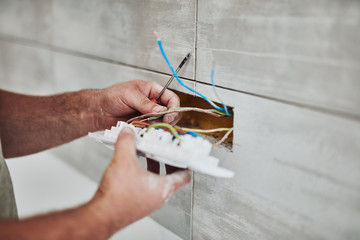

What Does a Residential Electrician Do?

Electrician

Electrician Jacksonville NC performs a wide range of jobs. Their duties vary from installation, repair and maintenance, and inspection.

Residential electricians focus on electrical work in single-family homes, townhouses, and condos. Their responsibilities include reading technical blueprints, installing lighting fixtures, power outlets, and switches, as well as customer service skills. Their services also include EV charger installation in garages or driveways.

Installation

Whether you’re putting in a new ceiling fan, adding a home automation system, or upgrading your electrical panel, a residential Electrician will ensure that the job is completed safely and properly. These skilled tradespeople are responsible for installing, maintaining, and inspecting all household wiring systems in a customer’s home. They also provide services like troubleshooting tripped circuit breakers and wiring problems.

Residential electricians are in demand due to new construction and the growing popularity of smart home technology. These professionals can expect steady work and a high salary as independent contractors or working for established electrical companies.

If you’re interested in pursuing a career as a residential Electrician, Fortis Institute offers online Residential Electrician training that can help you get started. This program provides a hands-on, practical education in the fundamentals of residential electricity and will prepare you to pass your state’s licensing exam.

In addition to residential electrician certification, completing an apprenticeship through a local vocational school or electrical contractor is the typical path to becoming a licensed electrician. These programs combine classroom instruction and on-the-job experience under the supervision of a master electrician. They typically take four to five years and include both theoretical and practical learning.

While many people use the terms residential and commercial electrician interchangeably, they’re actually two different types of electricians. The main difference is that residential electricians focus on the wiring and electrical systems in homes and apartments, while commercial electricians work with larger buildings that house offices, schools, hospitals, and other businesses.

The electrical systems that reside in commercial buildings are much more complex than those in residential structures. As a result, electricians working in the commercial sector need to have more in-depth knowledge of power distribution and the ability to work with three-phase electrical systems.

If you’re looking for a flexible, affordable, and comprehensive education in the skills necessary to become a residential electrician or an apprentice, our online Residential Electrician course is the perfect solution. With more than 30+ virtual simulations, engaging content that reinforces the concepts taught in each lesson, and 10 lessons focused on customer service, this course is designed to boost your real-world success.

Repair

When household electrical issues occur, it can often be difficult to know how to respond. This is especially true when dealing with faulty wiring or an overloaded circuit. When these problems arise, it’s important to call in a qualified electrician to safely and properly resolve the issue. At Lippolis Electric, we have the experience and expertise to perform a variety of emergency household electrical repairs in New York, Connecticut and New Jersey.

Residential Electricians work with homes and other private buildings, handling tasks such as wiring and lighting installation, electrical panel upgrades, and more. They also offer repair services for a variety of electrical issues, such as tripped breakers, malfunctioning outlets, and power outages.

On the other hand, commercial electricians focus on the needs of businesses and industrial spaces, including offices, retail stores, warehouses, and more. They may install complex wiring systems, provide maintenance for HVAC systems, and ensure that all electrical equipment meets safety standards. They also offer repair services for a range of electrical issues, such as blown fuses and frayed wires.

Maintenance

The electrical system in your home is essential to powering appliances, keeping your family comfortable, and minimizing safety risks. When problems occur, you need a professional electrician to diagnose and resolve issues quickly and efficiently. A Residential Electrician can help you with a wide variety of electrical services including wiring and rewiring, lighting installations, electrical panel upgrades, surge protection, and more.

Many people assume that it is a DIY job to repair or install electrical outlets in the home, but this type of work should only be performed by an experienced, licensed residential electrician. Attempting to do it yourself can lead to serious consequences, such as fires, injuries, and property damage. The best way to ensure the safety of your family, friends, and pets is by hiring a qualified residential electrician to do it for you.

In addition to installing new outlets and switches, a residential electrician can also troubleshoot and perform repairs on existing electrical fixtures and wiring. Common problem areas include blown fuses, circuit breakers that trip frequently, and lights that dim or flicker. Licensed electricians are skilled at performing safe and effective electrical repairs, and can help you upgrade your home’s outdated wiring to modern standards to avoid costly electrical failures in the future.

Residential electricians can also install new lighting systems in your home to improve its aesthetic and energy efficiency. By choosing lighting options that use less electricity, you can significantly reduce your home’s electricity bill and make a positive impact on the environment. Depending on the type of lighting you choose, your electrician may be able to provide rebates and incentives to offset the installation costs.

A career as a residential electrician is highly rewarding, and has a steady demand driven by new home construction, renovations, and smart home technology. To get started in the field, aspiring electricians should complete a high school diploma or GED equivalency certificate and a four-year apprenticeship with a licensed residential electrician. Then, they should pass a state exam to become licensed in their profession. They can then choose whether to work as a contractor or start their own independent electrical contracting business.

Inspection

Electrical systems are incredibly complex, and it takes an experienced professional to ensure that new wiring or electrical equipment is properly installed. Failure to do so can result in fires, electrical shock, or other safety hazards. Residential electricians often have to work with tight spaces, like attics and crawlspaces. They also need to follow strict protocols and adhere to codes relating to electricity.

In addition to installing and repairing electrical wiring, a residential Electrician can offer inspection services. This can help homeowners make sure their home is ready to sell, and it can also catch any potential problems before they become a bigger issue. An Inspector can check outlets, lighting fixtures, and circuit breaker boxes to make sure they are up to code. They can also install additional outlets where they are needed and set up a whole-house surge protector to reduce energy costs.

Another service that a residential Electrician can provide is to assist with power outages caused by storms or other emergencies. They can inspect generators and solar panels to ensure they are working correctly, and they can also assist with any other power sources that are being used in a home. This may include things like heat pumps, water heaters, or backup power sources.

Residential electricians can also be hired to work on commercial projects, but their focus is much different. Unlike residential electricians, who are focused on electrical wiring, commercial electricians are focused on electrical work in commercial buildings. This means they need to know how to read blueprints and electrical schematics, and they will often work in teams on larger job sites with construction crews.

Commercial electricians can also be called to perform maintenance and repair work, but they are primarily concerned with power systems in large industrial, retail, or office spaces. They may need to install complex wiring systems or update older ones to handle higher voltages and more specialized equipment. They may also need to use advanced tools, like oscilloscopes and other test instruments.

Home Addition Vs. Moving – Which Option Makes More Financial Sense?

If you’re feeling cramped in your current home, a well-designed home addition is an excellent investment. This type of project can boost resale value, and it also allows homeowners to customize their living space.

On the other hand, moving can be costly and stressful. It can also leave you in a neighborhood that may not suit your lifestyle. Contact J&R Construction for more details.

Cost of Moving

Home Addition

Even homeowners satisfied with their current living space may dream of more room, making home additions an appealing option. From budget-friendly attic or basement conversions to garage conversions and detached living units like DADUs, home additions are flexible options that meet homeowners’ needs while increasing property values.

National moving costs can provide a ballpark estimate, but the actual cost will depend on the size of your home and how much belongings you’re transporting. Local movers typically charge by the hour while full-service long-distance movers base their fees on shipment weight. In either case, the larger your house and the more belongings you have to move, the more expensive your move will be.

Other costs to consider when planning for a move include mortgage fees, title insurance, and real estate commissions. If you’re moving to a new community, you might also face homeowner association or condo fees that cover maintenance and services for common areas. And don’t forget the cost of a one-way rental truck, transportation for yourself and your family members, and extra fuel for your journey.

Cost of Addition

Home additions add square footage and value to a property. They also increase a homeowner’s home equity, which can be used to fund other projects or purchase another property. The cost of a home addition depends on the type and size of the addition, as well as local construction rates. It’s important to consult a licensed home addition contractor, like Liberty General Construction, to receive an accurate cost estimate.

A kitchen bump out or a sunroom are often the most cost-efficient options for adding space. These types of additions don’t require major structural changes, and they can be completed in a shorter time frame than a second-story addition.

An attic or basement conversion is a more expensive option, but it’s worth the investment for additional living space and a potential rental income. Turning an existing garage into a living space is another great way to maximize the use of unused area and add value to a house. In cities and towns where zoning allows it, a detached accessory dwelling unit (DADU) or tiny house can double living space without taking up valuable yard space.

The most significant factor affecting the cost of a home addition is its location. Building upwards costs more than building outward, and city or county permits add to the total cost. It’s also important to work with a design professional to ensure that the addition is cost-efficient and matches your vision. It’s also helpful to complete the project during a slow season when construction prices are less expensive.

In addition to being a more affordable option than buying a new home, a home addition can also provide tax benefits. Homeowners who spend more than 10% of their home’s value on a remodel or addition can deduct the costs from their taxes. Additionally, if you finance your home addition through a mortgage or line of credit, you can enjoy lower interest rates than if you paid cash for the project. Keep in mind that it’s always a good idea to compare current interest rates against historic averages before you choose an financing option for your project.

Cost of Remodeling

Home additions can significantly boost resale value, and when done well, can add a significant amount to your home’s total square footage. They also offer a number of personal benefits that can improve your quality of life. Whether you are looking to accommodate a growing family, create a dedicated workspace, or add luxury amenities, these projects can transform your living experience.

But before you embark on a major project, it’s important to understand what the costs associated with a home addition are. This will help you determine if this is an option worth pursuing.

Remodeling costs can vary widely, but a full home renovation generally runs between $15 and $150 per square foot. This can be even more expensive if you’re working with historic structures or if your house requires extensive work.

A home addition is a big project, but it can be well worth the investment. It allows you to tailor your space to fit your unique lifestyle and can make the property feel like a truly custom home. Moreover, it’s often more cost-effective than moving to a new location. It can be especially appealing if you’re locked into a low mortgage rate.

In general, kitchen renovations have the highest return on investment, recouping up to 80% of their cost at resale. Other high-ROI projects include bathroom renovations and upgrades that improve accessibility. For example, a first-floor master suite addition can make it easier to age in place.

Regardless of the type of addition you are considering, it’s essential to partner with experienced professionals. They’ll be able to guide you through the entire process, from design and planning to construction and completion. They’ll also be able to ensure the project is completed on time and within your budget.

The bottom line is that a well-designed and executed home addition can be a smart financial decision. But before you get started, be sure to speak with a financial planner about incorporating your home addition into your overall financial plan. By doing so, you can avoid overspending and make sure your new addition is an asset for years to come.

Cost of Repairs

Home additions can increase your property value and create a custom living space that aligns with your lifestyle. Adding a kitchen extension, family room or sunroom, for example, can help you meet specific needs while adding style to your home. However, there are some instances when it may make more sense to move rather than build a new home.

For example, some homes are not suitable for major renovations because of foundation damage or zoning issues. Also, moving is time-consuming and expensive. According to research from real estate site HomeLight, it can cost over $31,000 to sell and purchase a new home.

Building a home extension is often less expensive than buying a new house, but it’s important to carefully assess your situation and budget. A design-build contractor can weigh your options and help you choose a project that fits within your budget and provides the best return on investment.

A good design-build contractor will be familiar with local zoning regulations and can take a close look at your property to see what can and cannot be built on your lot. They will also understand the importance of integrating your addition into the existing structure, which is critical for creating a seamless transition between the old and new.

Depending on the scope of your home addition, you will need to invest in a variety of materials and labor. Some of the most significant costs include electrical, plumbing and excavation, as well as framing and drywall. In addition, you will need to pay for a permit and any necessary inspections.

While you may not get a perfect return on your investment, a smartly designed home addition can add to the comfort of your daily life and provide you with a beautiful place to spend your time. It’s a great option when you value your current neighborhood and want to stay in a community that matches your personality and lifestyle.

Plus, you can avoid the hassle of finding a new home and the time-consuming process of preparing for a sale. You can even use your new space as a staging area for selling your old home once the construction is complete!