Foundation Repair Nashville are often overlooked until problems arise, yet they are the most critical component of any structure. Supporting everything from walls and floors to roofing systems, a foundation is designed to provide stability and durability for decades. However, seasonal changes can significantly impact both foundations and the soil on which they rest. Shifts in moisture levels, temperature fluctuations, and freeze-thaw cycles can lead to soil movement, settling, and even structural damage if left unaddressed. Understanding how these seasonal variations affect your property is essential for homeowners and property managers seeking to maintain long-term stability and protect their investment.
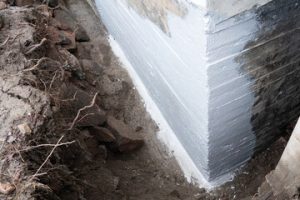
By recognizing the risks associated with changing seasons, property owners can implement proactive measures to safeguard their foundations. Early intervention can prevent costly repairs, extend the life of the building, and reduce the likelihood of secondary damage such as cracked walls, uneven floors, and water intrusion. This article explores the relationship between seasonal changes, soil behavior, and foundation integrity, offering insight into practical steps for maintaining a healthy and stable structure year-round.
The Connection Between Soil and Foundation
The foundation of a building is only as stable as the soil beneath it. Different soil types respond differently to seasonal changes, which can lead to shifting, settling, or heaving. Expansive clay soils, for instance, swell during periods of high moisture and contract during dry conditions. Sandy or loose soils may erode or compact under heavy rainfall or water runoff.
Proper soil management and foundation design are crucial to counteract these natural behaviors. Foundations must be engineered to accommodate movement in the underlying soil while ensuring load-bearing capacity remains uncompromised. Ignoring these factors can result in cracks in walls, misaligned doors and windows, or, in severe cases, structural failure.
Seasonal Moisture Variations
Moisture levels in the soil fluctuate with seasonal changes, and these fluctuations have a direct effect on foundation stability. During wet seasons, excessive rainfall or snowmelt can saturate the soil, causing it to expand or shift. Conversely, during dry periods, soil may contract, leading to settling that can affect the level and alignment of the foundation.
Excessive soil moisture can result in:
- Foundation Settling or Shifting – Saturated soils may lose compaction and fail to support the full weight of the structure.
- Hydrostatic Pressure on Foundation Walls – Waterlogged soil exerts pressure on walls, potentially causing bowing, cracking, or water intrusion.
- Increased Risk of Erosion – Surface runoff can remove topsoil around the foundation, undermining stability and drainage systems.
Property owners can reduce moisture-related risks by maintaining proper grading, installing drainage systems such as French drains, and monitoring the landscape to prevent water pooling near the foundation.
Freeze-Thaw Cycles and Their Impact
In regions that experience cold weather, freeze-thaw cycles are a significant factor affecting soil and foundations. When water in the soil freezes, it expands, exerting pressure on foundations, sidewalks, and other structures. As temperatures rise and ice thaws, soil contracts, creating voids and inconsistencies beneath the foundation.
Repeated freeze-thaw cycles can lead to:
- Heaving of the Foundation – Upward movement of certain areas can stress the structure and cause cracking.
- Uneven Settling – Areas that thaw unevenly may result in tilting or misalignment, affecting floors and walls.
- Cracks and Water Intrusion – Shifting soil can open gaps in the foundation that allow water to seep into basements or crawl spaces.
Preventative measures include ensuring proper drainage away from the building, insulating foundation walls, and maintaining soil coverage to limit direct exposure to freezing temperatures.
Temperature Fluctuations and Structural Stress
Even without moisture changes, seasonal temperature variations can affect foundation stability. Concrete and other foundation materials expand and contract with temperature changes. While minor, repeated thermal expansion and contraction can create micro-fractures over time.
High temperatures during summer can dry out soils, particularly clay-rich soils, causing contraction and potential settling. Meanwhile, cooler temperatures can slow soil movement, sometimes masking existing stress until a critical point is reached.
Property owners should consider:
- Regular Foundation Inspections – Identifying early signs of stress, such as hairline cracks, misaligned doors, or uneven flooring.
- Soil Moisture Management – Avoiding extremes in moisture content helps reduce the risk of excessive expansion or contraction.
- Protective Landscaping Practices – Using trees, shrubs, and ground cover strategically to balance soil moisture and minimize erosion.
Properly monitoring and mitigating the effects of seasonal temperature changes can prevent small issues from developing into significant structural problems.
The Role of Landscaping in Foundation Health
Landscaping has a profound impact on soil stability and foundation performance. Seasonal maintenance of landscaping is often overlooked, but it can make the difference between a stable foundation and one vulnerable to damage.
Key considerations include:
- Tree Placement and Root Growth – Trees planted too close to the foundation may extract excessive moisture, causing soil contraction, or exert pressure on foundation walls through root expansion.
- Slope and Grading – Proper grading directs water away from the foundation, reducing the risk of pooling and hydrostatic pressure.
- Ground Cover and Mulching – Plants, shrubs, and mulch help retain consistent soil moisture, limiting extreme expansion or contraction.
By aligning landscaping practices with foundation health considerations, property owners can mitigate the seasonal risks that contribute to structural instability.
Recognizing Early Signs of Foundation Stress
Seasonal changes often exacerbate minor foundation issues, making early detection critical. Property owners should watch for signs such as:
- Visible Cracks in Walls or Floors – Vertical or diagonal cracks near windows, doors, or corners can indicate settling or heaving.
- Uneven or Sloping Floors – Floors that feel unlevel or develop noticeable dips may reflect shifting soil beneath the foundation.
- Sticking or Misaligned Doors and Windows – Seasonal swelling and contraction of the structure can affect door and window operation.
- Water Intrusion in Basements or Crawl Spaces – Seasonal flooding or moisture accumulation signals potential drainage or soil issues.
Identifying and addressing these issues early allows property owners to take corrective action before structural damage becomes severe.
Proactive Measures to Protect Your Foundation
Preventing foundation issues related to seasonal changes requires a combination of maintenance, inspection, and professional support. Proactive measures include:
- Regular Foundation Inspections – Conduct annual or semi-annual assessments to detect minor cracks, uneven settling, or drainage issues.
- Proper Drainage Systems – Install gutters, downspouts, and French drains to direct water away from the foundation.
- Soil Moisture Management – Maintain consistent moisture levels around the foundation using irrigation or controlled watering practices.
- Landscaping Adjustments – Ensure trees, shrubs, and other plants are strategically placed to prevent soil disruption and moisture imbalance.
- Seasonal Maintenance Checks – Inspect for water pooling, erosion, and freeze-thaw damage during winter and spring seasons.
These actions can significantly reduce the risk of foundation problems and minimize the need for extensive repairs.
When Professional Foundation Services Are Needed
While property owners can implement many preventative measures, professional foundation services may be necessary when signs of seasonal damage become apparent. Professionals provide:
- Structural Assessments and Soil Analysis – Experts evaluate soil composition, moisture levels, and structural integrity to determine risk factors.
- Foundation Repair Solutions – Services may include pier installation, underpinning, crack repair, or leveling to stabilize the structure.
- Drainage and Water Management Systems – Professionals can design systems that efficiently manage runoff, reduce hydrostatic pressure, and protect against seasonal flooding.
- Long-Term Monitoring Plans – Recommendations for ongoing maintenance and inspection schedules ensure that the foundation remains healthy year-round.
Engaging professionals ensures that any corrective actions are effective, permanent, and compliant with industry standards.
The Long-Term Benefits of Seasonal Foundation Awareness
Being aware of how seasonal changes affect foundations provides property owners with both immediate and long-term benefits. These include:
- Reduced Repair Costs – Addressing issues early prevents escalation into major repairs or replacement.
- Enhanced Structural Longevity – Consistent monitoring and proactive maintenance help foundations remain stable for decades.
- Improved Property Value – A well-maintained foundation supports overall property value and makes it more attractive to potential buyers.
- Peace of Mind – Understanding seasonal risks and implementing preventative measures reduces anxiety about potential structural failures.
A proactive approach combines observation, maintenance, and professional guidance, creating a resilient foundation that withstands seasonal impacts.
Protecting Your Foundation Through the Seasons
Seasonal changes are inevitable, but their impact on foundations and soil stability does not have to be destructive. From moisture fluctuations to freeze-thaw cycles, each season presents unique challenges that can compromise structural integrity if unaddressed. By understanding these risks and implementing proactive strategies, property owners can protect their investment, maintain structural stability, and prevent costly repairs.
Regular inspections, soil management, proper drainage, and professional support are all essential components of a seasonal foundation maintenance plan. Recognizing early signs of stress and acting promptly ensures that minor issues do not escalate into major problems. By treating foundation health as an ongoing priority, property owners safeguard not only their structures but also the long-term value, safety, and comfort of their property.
Foundations may lie beneath the surface, but the benefits of attentive maintenance are visible every day in the stability, safety, and performance of the building above. Understanding and addressing seasonal influences is the key to keeping that foundation strong for years to come.