It only takes a small amount of water to create a big problem inside a home. A leaking pipe, an overflowing appliance, or heavy rainfall can introduce moisture that spreads much farther than most people realize. What seems like a minor issue at first can quickly affect walls, flooring, ceilings, and structural materials if it is not addressed promptly. Many homeowners are surprised to discover that the visible water is often only a fraction of the overall damage. Knowing the right water damage repair tips can help reduce costly repairs, limit disruption, and protect your home’s long-term condition before the problem becomes more severe. Click Here for more details.
Why Is It Important to Address Water Damage Immediately?
One of the biggest mistakes homeowners make is assuming that water damage can wait until it becomes more noticeable. Unfortunately, moisture does not remain in one place. It naturally spreads through drywall, wood, insulation, and flooring, affecting areas that may appear completely dry on the surface. As water continues moving through building materials, those materials begin to weaken and lose their structural integrity. The longer moisture remains, the more extensive the repairs often become. Acting quickly helps minimize the overall impact and preserves more of the home’s original materials.
Prompt action also reduces the amount of demolition that may eventually be required. When water damage is addressed early, there is a greater chance that affected materials can be dried before they become permanently compromised. Homeowners often save both time and money by responding immediately rather than delaying repairs. Early intervention also helps prevent water from reaching additional rooms or structural components. Treating water damage as an urgent maintenance issue is one of the most effective ways to protect a property’s long-term condition.
What Should You Do First After Discovering Water Damage?
The first priority is identifying and stopping the source of the water whenever it can be done safely. If the damage is caused by a plumbing leak, shutting off the local water supply or the home’s main valve helps prevent additional water from entering the affected area. If the source is rainwater, temporary measures may help reduce further intrusion until permanent repairs can be completed. Once the flow of water has stopped, attention should shift to removing as much standing water as possible. Every hour that water remains inside the home increases the likelihood of additional damage.
After standing water has been removed, homeowners should begin protecting nearby belongings. Furniture, rugs, electronics, and personal items should be relocated away from wet areas whenever possible. This not only helps prevent additional damage but also creates easier access for drying and repairs. Doors and windows may be opened when weather conditions allow to improve airflow throughout the affected space. Beginning the cleanup process immediately creates a better environment for successful repairs and reduces the amount of moisture absorbed by surrounding materials.
How Can You Identify Hidden Water Damage?
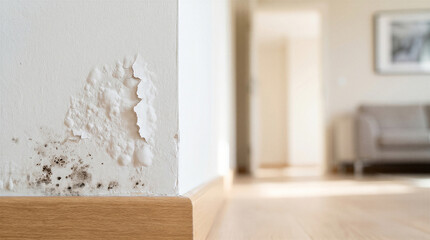
Visible water rarely tells the whole story because moisture often travels into areas that cannot be seen easily. Walls, ceilings, flooring, insulation, and subfloors frequently absorb water while appearing relatively normal from the outside. Homeowners should look carefully for subtle warning signs such as discoloration, bubbling paint, peeling wallpaper, soft drywall, or warped flooring. Even small changes in appearance can indicate that moisture has spread beyond the original leak. Paying close attention to these details allows repairs to begin before hidden damage becomes extensive.
Musty odors are another valuable clue that moisture may still be present. Persistent smells often indicate that damp building materials remain hidden behind finished surfaces. Homeowners should also inspect cabinets beneath sinks, around plumbing fixtures, and inside utility spaces where slow leaks commonly develop. Flooring that feels soft or uneven may suggest moisture has reached the subfloor beneath. Recognizing these early warning signs helps homeowners address hidden water damage before it creates larger structural concerns.
Why Is Proper Drying Just as Important as Repairing?
Many people assume that once standing water has been removed, the repair process is complete. In reality, thorough drying is one of the most important steps in successful water damage repair. Building materials such as drywall, wood framing, flooring, and insulation continue holding moisture long after surface water disappears. If trapped moisture remains inside these materials, deterioration may continue even after visible repairs have been completed. Proper drying helps preserve structural components while reducing the need for unnecessary replacement.
Air circulation and moisture reduction work together to improve drying conditions. Increasing airflow throughout the affected area helps remove moisture from both the air and surrounding materials. Homeowners should continue monitoring affected areas for several days because drying often takes longer than expected. Surfaces that appear dry may still contain moisture beneath the finish. Taking the time to ensure complete drying provides a stronger foundation for long-lasting repairs and helps reduce the likelihood of recurring problems.
Which Areas of the Home Require the Closest Inspection?
Some areas of the home are naturally more vulnerable to water damage because they contain plumbing systems or are exposed to weather. Kitchens deserve careful attention because sinks, refrigerators, dishwashers, and water supply lines all have the potential to leak. Bathrooms should also be inspected regularly since toilets, showers, bathtubs, and vanities experience constant exposure to moisture. Even small leaks beneath cabinets can gradually damage flooring and surrounding materials without attracting immediate attention. Frequent inspections help identify these issues before they become serious.
Basements, crawl spaces, attics, and laundry rooms also require regular evaluation. Roof leaks often become visible inside attics before reaching interior ceilings, while basements may reveal drainage or foundation concerns after heavy rainfall. Washing machine hoses and water heaters can develop slow leaks that remain hidden behind stored belongings. Utility rooms should be checked periodically for signs of moisture, corrosion, or unusual odors. Regular inspections of these less frequently visited spaces improve the chances of discovering water damage during its earliest stages.
How Can Homeowners Help Prevent Future Water Damage?
Preventing future water damage begins with routine maintenance and a proactive approach to home care. Plumbing systems should be inspected periodically for loose fittings, corrosion, worn hoses, or slow leaks. Replacing aging appliance supply lines before they fail is often a simple way to reduce future risk. Gutters and downspouts should remain clear so rainwater flows away from the home’s foundation rather than collecting around exterior walls. Small maintenance tasks performed consistently often prevent much larger repair projects later.
Proper drainage and ventilation also play important roles in moisture control. The ground surrounding the home should direct water away from the foundation, reducing opportunities for seepage into basements or crawl spaces. Bathrooms, kitchens, and laundry rooms should be well ventilated to minimize condensation and excess humidity. Homeowners should also respond quickly to any unusual stains, peeling paint, soft flooring, or musty odors because these often indicate hidden moisture. Building preventive maintenance into a regular home care routine helps reduce the likelihood of future water damage.
When Should Professional Help Be Considered?
Although homeowners can handle many small cleanup tasks, certain situations require professional evaluation. Extensive flooding, recurring leaks, widespread staining, or moisture affecting multiple rooms often indicates damage that extends beyond what is visible. Water frequently travels behind walls, beneath flooring, and inside structural cavities where it cannot be detected through visual inspection alone. Professional assessment helps determine the full extent of the damage and identifies hidden moisture that may otherwise remain untreated. Accurate evaluation supports more effective repairs and reduces the chance of ongoing deterioration.
Professional assistance is also valuable after severe storms, major plumbing failures, or appliance leaks involving large amounts of water. Even if surfaces appear dry, moisture may remain trapped inside structural materials where additional damage can continue developing. Early evaluation often reduces repair costs by identifying affected areas before deterioration becomes widespread. Homeowners gain greater confidence knowing the source of the problem has been fully addressed. Combining prompt homeowner action with professional expertise creates the best opportunity for successful long-term repairs.
Final Thoughts
Water damage can affect a home far more quickly than many people realize, but prompt action significantly reduces its impact. Stopping the source of the water, removing standing moisture, promoting thorough drying, identifying hidden damage, and performing timely repairs all contribute to a successful recovery. Regular inspections, preventive maintenance, proper drainage, and attention to early warning signs also help reduce the likelihood of future water damage. By understanding these practical water damage repair tips and responding quickly whenever moisture appears, homeowners can protect their property’s structure, preserve its value, and avoid many of the costly repairs that result from delayed action.