Profit donation has become an increasingly popular practice among businesses looking to make a positive difference while maintaining strong relationships with customers and communities. This approach involves setting aside a portion of a company’s profits and donating it to charitable causes, nonprofit organizations, or community projects. Beyond being a philanthropic gesture, profit donation can also strengthen brand reputation, build trust, and contribute to long-term success.
What Is Profit Donation?
Profit donation refers to the process of allocating a certain percentage of a business’s earnings to charitable initiatives. Unlike one-time contributions or sponsorships, profit donation is often structured as an ongoing commitment. Some businesses pledge a fixed percentage of annual profits, while others tie donations to specific products, services, or events.
This method of giving back allows businesses to support causes they believe in while aligning their values with those of their customers. For many companies, it’s an integral part of corporate social responsibility (CSR) strategies.
Why Businesses Engage in Profit Donation
Profit donation is not just about generosity; it reflects a business philosophy that prioritizes ethical responsibility and community support. Here are a few reasons why companies adopt this approach:
Building Brand Loyalty: Customers are more likely to support brands that demonstrate social responsibility. Profit donation shows that a business values more than just profit.
Positive Public Image: Companies that donate a portion of their earnings often enjoy stronger reputations and increased goodwill.
Employee Engagement: Employees take pride in working for companies that contribute to meaningful causes, which can boost morale and retention.
Community Impact: Donations help fund education, healthcare, disaster relief, and other vital programs that improve lives.
How Profit Donation Works
The process of implementing a profit donation program can vary, but most businesses follow these steps:
Determine the Percentage: Decide what portion of profits will be donated—commonly 1%, 5%, or a specific amount tied to sales.
Select the Cause: Choose causes that align with company values and resonate with customers. These could include environmental sustainability, education, health, or social justice.
Set Clear Policies: Transparency is key. Businesses should clearly state how much will be donated and how funds are distributed.
Communicate with Stakeholders: Inform employees, customers, and partners about the program to encourage support and participation.
Measure and Report Impact: Share the results of the donation program to build trust and demonstrate accountability.
Popular Models of Profit Donation
Businesses implement profit donation in various ways. Some of the most common models include:
Percentage of Profits: A fixed percentage of annual profits is donated to one or more charities.
Per Sale Contribution: A specific amount from each sale goes to a designated cause.
Campaign-Based Giving: Special promotions or events where proceeds support a particular charity.
Seasonal or Year-End Donations: Contributions made during certain times of the year, such as holidays or company anniversaries.
Benefits of Profit Donation for Businesses and Communities
Profit donation programs create a win-win situation. For communities, these donations provide essential resources to fund critical programs. For businesses, the benefits extend beyond philanthropy:
Enhanced Customer Relationships: Consumers are increasingly drawn to brands with strong social values.
Competitive Advantage: Profit donation can differentiate a brand in a crowded marketplace.
Tax Advantages: In many regions, charitable donations may qualify for tax deductions.
Long-Term Brand Value: Companies known for social impact often enjoy lasting customer loyalty and advocacy.
Trends in Profit Donation
Modern businesses are finding innovative ways to incorporate giving into their operations. Many are integrating profit donation with sustainability goals, supporting environmental initiatives, or partnering with global nonprofits for large-scale impact. Technology has also made it easier for customers to track contributions, enhancing transparency and trust.
Foundation Repair Nashville are often overlooked until problems arise, yet they are the most critical component of any structure. Supporting everything from walls and floors to roofing systems, a foundation is designed to provide stability and durability for decades. However, seasonal changes can significantly impact both foundations and the soil on which they rest. Shifts in moisture levels, temperature fluctuations, and freeze-thaw cycles can lead to soil movement, settling, and even structural damage if left unaddressed. Understanding how these seasonal variations affect your property is essential for homeowners and property managers seeking to maintain long-term stability and protect their investment.
By recognizing the risks associated with changing seasons, property owners can implement proactive measures to safeguard their foundations. Early intervention can prevent costly repairs, extend the life of the building, and reduce the likelihood of secondary damage such as cracked walls, uneven floors, and water intrusion. This article explores the relationship between seasonal changes, soil behavior, and foundation integrity, offering insight into practical steps for maintaining a healthy and stable structure year-round.
The Connection Between Soil and Foundation
The foundation of a building is only as stable as the soil beneath it. Different soil types respond differently to seasonal changes, which can lead to shifting, settling, or heaving. Expansive clay soils, for instance, swell during periods of high moisture and contract during dry conditions. Sandy or loose soils may erode or compact under heavy rainfall or water runoff.
Proper soil management and foundation design are crucial to counteract these natural behaviors. Foundations must be engineered to accommodate movement in the underlying soil while ensuring load-bearing capacity remains uncompromised. Ignoring these factors can result in cracks in walls, misaligned doors and windows, or, in severe cases, structural failure.
Seasonal Moisture Variations
Moisture levels in the soil fluctuate with seasonal changes, and these fluctuations have a direct effect on foundation stability. During wet seasons, excessive rainfall or snowmelt can saturate the soil, causing it to expand or shift. Conversely, during dry periods, soil may contract, leading to settling that can affect the level and alignment of the foundation.
Excessive soil moisture can result in:
Foundation Settling or Shifting – Saturated soils may lose compaction and fail to support the full weight of the structure.
Hydrostatic Pressure on Foundation Walls – Waterlogged soil exerts pressure on walls, potentially causing bowing, cracking, or water intrusion.
Increased Risk of Erosion – Surface runoff can remove topsoil around the foundation, undermining stability and drainage systems.
Property owners can reduce moisture-related risks by maintaining proper grading, installing drainage systems such as French drains, and monitoring the landscape to prevent water pooling near the foundation.
Freeze-Thaw Cycles and Their Impact
In regions that experience cold weather, freeze-thaw cycles are a significant factor affecting soil and foundations. When water in the soil freezes, it expands, exerting pressure on foundations, sidewalks, and other structures. As temperatures rise and ice thaws, soil contracts, creating voids and inconsistencies beneath the foundation.
Repeated freeze-thaw cycles can lead to:
Heaving of the Foundation – Upward movement of certain areas can stress the structure and cause cracking.
Uneven Settling – Areas that thaw unevenly may result in tilting or misalignment, affecting floors and walls.
Cracks and Water Intrusion – Shifting soil can open gaps in the foundation that allow water to seep into basements or crawl spaces.
Preventative measures include ensuring proper drainage away from the building, insulating foundation walls, and maintaining soil coverage to limit direct exposure to freezing temperatures.
Temperature Fluctuations and Structural Stress
Even without moisture changes, seasonal temperature variations can affect foundation stability. Concrete and other foundation materials expand and contract with temperature changes. While minor, repeated thermal expansion and contraction can create micro-fractures over time.
High temperatures during summer can dry out soils, particularly clay-rich soils, causing contraction and potential settling. Meanwhile, cooler temperatures can slow soil movement, sometimes masking existing stress until a critical point is reached.
Property owners should consider:
Regular Foundation Inspections – Identifying early signs of stress, such as hairline cracks, misaligned doors, or uneven flooring.
Soil Moisture Management – Avoiding extremes in moisture content helps reduce the risk of excessive expansion or contraction.
Protective Landscaping Practices – Using trees, shrubs, and ground cover strategically to balance soil moisture and minimize erosion.
Properly monitoring and mitigating the effects of seasonal temperature changes can prevent small issues from developing into significant structural problems.
The Role of Landscaping in Foundation Health
Landscaping has a profound impact on soil stability and foundation performance. Seasonal maintenance of landscaping is often overlooked, but it can make the difference between a stable foundation and one vulnerable to damage.
Key considerations include:
Tree Placement and Root Growth – Trees planted too close to the foundation may extract excessive moisture, causing soil contraction, or exert pressure on foundation walls through root expansion.
Slope and Grading – Proper grading directs water away from the foundation, reducing the risk of pooling and hydrostatic pressure.
Ground Cover and Mulching – Plants, shrubs, and mulch help retain consistent soil moisture, limiting extreme expansion or contraction.
By aligning landscaping practices with foundation health considerations, property owners can mitigate the seasonal risks that contribute to structural instability.
Recognizing Early Signs of Foundation Stress
Seasonal changes often exacerbate minor foundation issues, making early detection critical. Property owners should watch for signs such as:
Visible Cracks in Walls or Floors – Vertical or diagonal cracks near windows, doors, or corners can indicate settling or heaving.
Uneven or Sloping Floors – Floors that feel unlevel or develop noticeable dips may reflect shifting soil beneath the foundation.
Sticking or Misaligned Doors and Windows – Seasonal swelling and contraction of the structure can affect door and window operation.
Water Intrusion in Basements or Crawl Spaces – Seasonal flooding or moisture accumulation signals potential drainage or soil issues.
Identifying and addressing these issues early allows property owners to take corrective action before structural damage becomes severe.
Proactive Measures to Protect Your Foundation
Preventing foundation issues related to seasonal changes requires a combination of maintenance, inspection, and professional support. Proactive measures include:
Regular Foundation Inspections – Conduct annual or semi-annual assessments to detect minor cracks, uneven settling, or drainage issues.
Proper Drainage Systems – Install gutters, downspouts, and French drains to direct water away from the foundation.
Soil Moisture Management – Maintain consistent moisture levels around the foundation using irrigation or controlled watering practices.
Landscaping Adjustments – Ensure trees, shrubs, and other plants are strategically placed to prevent soil disruption and moisture imbalance.
Seasonal Maintenance Checks – Inspect for water pooling, erosion, and freeze-thaw damage during winter and spring seasons.
These actions can significantly reduce the risk of foundation problems and minimize the need for extensive repairs.
When Professional Foundation Services Are Needed
While property owners can implement many preventative measures, professional foundation services may be necessary when signs of seasonal damage become apparent. Professionals provide:
Structural Assessments and Soil Analysis – Experts evaluate soil composition, moisture levels, and structural integrity to determine risk factors.
Foundation Repair Solutions – Services may include pier installation, underpinning, crack repair, or leveling to stabilize the structure.
Drainage and Water Management Systems – Professionals can design systems that efficiently manage runoff, reduce hydrostatic pressure, and protect against seasonal flooding.
Long-Term Monitoring Plans – Recommendations for ongoing maintenance and inspection schedules ensure that the foundation remains healthy year-round.
Engaging professionals ensures that any corrective actions are effective, permanent, and compliant with industry standards.
The Long-Term Benefits of Seasonal Foundation Awareness
Being aware of how seasonal changes affect foundations provides property owners with both immediate and long-term benefits. These include:
Reduced Repair Costs – Addressing issues early prevents escalation into major repairs or replacement.
Enhanced Structural Longevity – Consistent monitoring and proactive maintenance help foundations remain stable for decades.
Improved Property Value – A well-maintained foundation supports overall property value and makes it more attractive to potential buyers.
Peace of Mind – Understanding seasonal risks and implementing preventative measures reduces anxiety about potential structural failures.
A proactive approach combines observation, maintenance, and professional guidance, creating a resilient foundation that withstands seasonal impacts.
Protecting Your Foundation Through the Seasons
Seasonal changes are inevitable, but their impact on foundations and soil stability does not have to be destructive. From moisture fluctuations to freeze-thaw cycles, each season presents unique challenges that can compromise structural integrity if unaddressed. By understanding these risks and implementing proactive strategies, property owners can protect their investment, maintain structural stability, and prevent costly repairs.
Regular inspections, soil management, proper drainage, and professional support are all essential components of a seasonal foundation maintenance plan. Recognizing early signs of stress and acting promptly ensures that minor issues do not escalate into major problems. By treating foundation health as an ongoing priority, property owners safeguard not only their structures but also the long-term value, safety, and comfort of their property.
Foundations may lie beneath the surface, but the benefits of attentive maintenance are visible every day in the stability, safety, and performance of the building above. Understanding and addressing seasonal influences is the key to keeping that foundation strong for years to come.
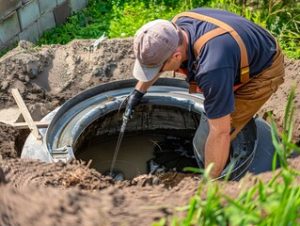
The septic tank is the heart of your onsite wastewater system. Heavier solid matter sinks to the bottom of your septic tank and forms the sludge layer, while lighter fats, oils, and greases (FOG) float to the top and are broken down by anaerobic organisms.
Your septic tank is designed to hold your sewage and allow it to settle before flowing into the drain field.
When you flush a toilet or use your washing machine, wastewater flows down your home’s plumbing lines to a septic tank. This underground, watertight container provides primary wastewater treatment with the help of natural bacteria that break down organic matter and solids. Septic tanks then pipe partially clarified effluent downstream for further purification or dispersal.
All drain pipes in your house connect to the inlet pipe that leads directly to your septic tank. From there, all wastewater flows into the tank. As it does so, fats and oils float to the top to form the scum layer while solid particles sink to the bottom to become the sludge. Bacteria do most of the work of separating these layers, leaving liquid effluent in between.
A septic tank has both an inlet baffle and an outlet baffle, which are essential for the proper functioning of your system. The inlet baffle guides the wastewater in a longer path across the tank so it does not disturb the floating scum layer. Without this baffle, the toilet tissue and other solids that enter the tank could pile up on the scum layer and cause a blockage that redirects sewage back into your home.
An outlet baffle, meanwhile, directs the flow of wastewater from the septic tank to the distribution system and then to your septic drain field. The baffle also helps to prevent sludge from flowing directly into the outlet pipe, which would cause drainfield clogs and premature system failure.
As the septic tank treats wastewater, it produces gases, including hydrogen sulfide. These gases must be released to avoid a build-up of pressure that could stop or reverse the flow of effluent. To prevent this, your septic tank is fitted with a vent. Typically, it has a mushroom shape and can be equipped with a charcoal filter to reduce odors.
A septic tank’s access ports enable you and a septic professional to easily clean out your system’s components. These ports should be large enough for a hose to reach. In addition, a septic professional will install risers to bring the tank up to ground level for cleaning and inspection.
Sludge & Scum Layers
More than one in five households in the United States rely on septic systems to treat wastewater from toilets, showers and drains. These independent, decentralized wastewater treatment structures use natural and technological processes to separate solids from wastewater and drive it through an absorption field. Septic tanks have three distinct layers—a scum layer on top, a sludge layer and clarified effluent layer in the middle—that must be kept in balance for proper function and longevity.
The septic tank must have relatively calm conditions to form the layers and ensure that settleable solids drop to the bottom and floatable solids rise to the surface. In some cases, turbulence causes the layers to mix together. This can occur when there is a high level of water flow into the septic system, large leaks into the tank or a pump that adds sewage into the system. The septic tank should be regularly inspected and pumped to prevent the sludge layer from building up too much, which can block inlet and outlet pipes and cause untreated wastewater to enter the absorption field and soil treatment system.
Regular septic tank pumping is essential for keeping the septic system in good working condition and avoiding costly repairs and replacement of your septic system components. Your septic tank should be pumped when the sludge layer reaches 25% of the tank’s capacity. This is generally every 3-5 years, depending on household usage.
When septic tanks are pumped, the scum layer is removed along with anything else that floats on top of sewage. This includes soap scum, fats, oils and other waste that is lighter than water. If these floatable wastes make their way through the inlet and outlet pipes into your septic system, they will be carried to your absorption field and clog the drain fields, which can lead to wastewater backups.
In addition to routine septic tank pumping, it’s important to avoid using chemicals in your home that can impact stratification. These include phosphate-based cleaners, fabric softeners and degreasers. These chemicals can disrupt the normal bacterial community in your septic tank, which reduces its ability to break down and process wastewater.
Absorption Fields
As wastewater (effluent) leaves your septic tank it goes into an absorption field, also known as a soil drainfield or leach field. The septic drain field disposes of wastewater by percolating it into the groundwater beneath the grass and soil, where it is treated further by filtration and absorption. The soil drainfield is a crucial part of any septic system and must be designed to meet the specific needs of your property and soil type.
The soil of a septic field needs to have the ability to treat liquid waste in a short period of time to avoid excessive water flow and the contamination of groundwater. The soil’s ability to do this is called the percolation rate, which is measured in minutes for each inch of depth. Septic professionals must dig a number of holes to determine the soil’s perc rate, and then they can calculate the size of your absorption field accordingly.
The absorption field consists of a series of gravel-filled trenches with perforated pipes that allow the sewage to seep through them into the soil underneath. The absorption fields are typically separated into different disposal areas, so that the soil can rest between each area. This allows nematodes to work on the fats, oils and other organic material that have been accumulated in the drain field, improving the soil’s percolation rate.
Solids that are allowed to pass from the septic tank may clog absorption fields and lead to expensive repair or replacement costs. To prevent this, septic tanks are designed with effluent filters that trap solids at the outlet of the tank and keep them from entering the absorption field. These filters are included in newer septic tank designs, but can be installed in older tanks as well.
It is important to divert runoff from roofs, sidewalks and patios into a rain garden or other method of drainage, to prevent the absorption field from becoming soaked. Soaking a drain field reduces its percolation rate and can cause problems with the treatment process. Also, the absorption field should be constructed when the soil is dry, rather than wet, to prevent puddling, smearing and soil compaction that reduces the system’s permeability.
Maintenance
Many households across the United States rely on individual septic systems (also known as decentralized sewage systems) to treat wastewater from household plumbing. These are most commonly found in suburban and rural locations not served by municipal centralized sewer systems.
Domestic sewage from toilets and wastewater from bathtubs, showers, sinks, laundry machines, and dishwashers flows into the septic tank. Heavier solid waste settles at the bottom of the tank forming sludge while lighter fats, oils, and greases float to the top of the tank creating scum. Anaerobic bacteria in the septic tank feed on these organic wastewater pollutants converting them to inert matter.
The fully-treated effluent from the septic tank is then discharged into an absorption field. This system consists of pipes with holes in them that are placed in gravel trenches underground. As the wastewater is filtered through the soil and grass above, it is absorbed into the groundwater supply.
In addition to the septic tank, the absorption field, or drainfield is a critical component of your septic system and must be maintained properly for your home septic system to function correctly. A good septic tank installation should include a riser and lid at grade for routine pumping, inspection, and maintenance.