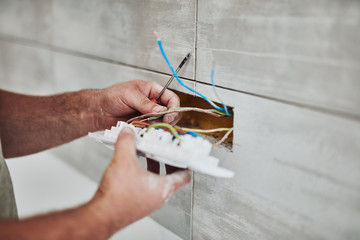
Electrician Jacksonville NC performs a wide range of jobs. Their duties vary from installation, repair and maintenance, and inspection.
Residential electricians focus on electrical work in single-family homes, townhouses, and condos. Their responsibilities include reading technical blueprints, installing lighting fixtures, power outlets, and switches, as well as customer service skills. Their services also include EV charger installation in garages or driveways.
Installation
Whether you’re putting in a new ceiling fan, adding a home automation system, or upgrading your electrical panel, a residential Electrician will ensure that the job is completed safely and properly. These skilled tradespeople are responsible for installing, maintaining, and inspecting all household wiring systems in a customer’s home. They also provide services like troubleshooting tripped circuit breakers and wiring problems.
Residential electricians are in demand due to new construction and the growing popularity of smart home technology. These professionals can expect steady work and a high salary as independent contractors or working for established electrical companies.
If you’re interested in pursuing a career as a residential Electrician, Fortis Institute offers online Residential Electrician training that can help you get started. This program provides a hands-on, practical education in the fundamentals of residential electricity and will prepare you to pass your state’s licensing exam.
In addition to residential electrician certification, completing an apprenticeship through a local vocational school or electrical contractor is the typical path to becoming a licensed electrician. These programs combine classroom instruction and on-the-job experience under the supervision of a master electrician. They typically take four to five years and include both theoretical and practical learning.
While many people use the terms residential and commercial electrician interchangeably, they’re actually two different types of electricians. The main difference is that residential electricians focus on the wiring and electrical systems in homes and apartments, while commercial electricians work with larger buildings that house offices, schools, hospitals, and other businesses.
The electrical systems that reside in commercial buildings are much more complex than those in residential structures. As a result, electricians working in the commercial sector need to have more in-depth knowledge of power distribution and the ability to work with three-phase electrical systems.
If you’re looking for a flexible, affordable, and comprehensive education in the skills necessary to become a residential electrician or an apprentice, our online Residential Electrician course is the perfect solution. With more than 30+ virtual simulations, engaging content that reinforces the concepts taught in each lesson, and 10 lessons focused on customer service, this course is designed to boost your real-world success.
Repair
When household electrical issues occur, it can often be difficult to know how to respond. This is especially true when dealing with faulty wiring or an overloaded circuit. When these problems arise, it’s important to call in a qualified electrician to safely and properly resolve the issue. At Lippolis Electric, we have the experience and expertise to perform a variety of emergency household electrical repairs in New York, Connecticut and New Jersey.
Residential Electricians work with homes and other private buildings, handling tasks such as wiring and lighting installation, electrical panel upgrades, and more. They also offer repair services for a variety of electrical issues, such as tripped breakers, malfunctioning outlets, and power outages.
On the other hand, commercial electricians focus on the needs of businesses and industrial spaces, including offices, retail stores, warehouses, and more. They may install complex wiring systems, provide maintenance for HVAC systems, and ensure that all electrical equipment meets safety standards. They also offer repair services for a range of electrical issues, such as blown fuses and frayed wires.
Maintenance
The electrical system in your home is essential to powering appliances, keeping your family comfortable, and minimizing safety risks. When problems occur, you need a professional electrician to diagnose and resolve issues quickly and efficiently. A Residential Electrician can help you with a wide variety of electrical services including wiring and rewiring, lighting installations, electrical panel upgrades, surge protection, and more.
Many people assume that it is a DIY job to repair or install electrical outlets in the home, but this type of work should only be performed by an experienced, licensed residential electrician. Attempting to do it yourself can lead to serious consequences, such as fires, injuries, and property damage. The best way to ensure the safety of your family, friends, and pets is by hiring a qualified residential electrician to do it for you.
In addition to installing new outlets and switches, a residential electrician can also troubleshoot and perform repairs on existing electrical fixtures and wiring. Common problem areas include blown fuses, circuit breakers that trip frequently, and lights that dim or flicker. Licensed electricians are skilled at performing safe and effective electrical repairs, and can help you upgrade your home’s outdated wiring to modern standards to avoid costly electrical failures in the future.
Residential electricians can also install new lighting systems in your home to improve its aesthetic and energy efficiency. By choosing lighting options that use less electricity, you can significantly reduce your home’s electricity bill and make a positive impact on the environment. Depending on the type of lighting you choose, your electrician may be able to provide rebates and incentives to offset the installation costs.
A career as a residential electrician is highly rewarding, and has a steady demand driven by new home construction, renovations, and smart home technology. To get started in the field, aspiring electricians should complete a high school diploma or GED equivalency certificate and a four-year apprenticeship with a licensed residential electrician. Then, they should pass a state exam to become licensed in their profession. They can then choose whether to work as a contractor or start their own independent electrical contracting business.
Inspection
Electrical systems are incredibly complex, and it takes an experienced professional to ensure that new wiring or electrical equipment is properly installed. Failure to do so can result in fires, electrical shock, or other safety hazards. Residential electricians often have to work with tight spaces, like attics and crawlspaces. They also need to follow strict protocols and adhere to codes relating to electricity.
In addition to installing and repairing electrical wiring, a residential Electrician can offer inspection services. This can help homeowners make sure their home is ready to sell, and it can also catch any potential problems before they become a bigger issue. An Inspector can check outlets, lighting fixtures, and circuit breaker boxes to make sure they are up to code. They can also install additional outlets where they are needed and set up a whole-house surge protector to reduce energy costs.
Another service that a residential Electrician can provide is to assist with power outages caused by storms or other emergencies. They can inspect generators and solar panels to ensure they are working correctly, and they can also assist with any other power sources that are being used in a home. This may include things like heat pumps, water heaters, or backup power sources.
Residential electricians can also be hired to work on commercial projects, but their focus is much different. Unlike residential electricians, who are focused on electrical wiring, commercial electricians are focused on electrical work in commercial buildings. This means they need to know how to read blueprints and electrical schematics, and they will often work in teams on larger job sites with construction crews.
Commercial electricians can also be called to perform maintenance and repair work, but they are primarily concerned with power systems in large industrial, retail, or office spaces. They may need to install complex wiring systems or update older ones to handle higher voltages and more specialized equipment. They may also need to use advanced tools, like oscilloscopes and other test instruments.